
Every restaurant POS system, priced and compared
Toast will not put a processing rate in writing. We publish what all of them charge, with the source next to every number. Then we build the right one for your restaurant and install it in your dining room.
Get your rate checked
Send your numbers and we come back with what you are really paying, and what we would quote against it. No pitch on the first call.
It reaches the Equip team. A person calls you back, and if we do not have a crew near you, the team routes it to whoever serves you best. We never ask for card or bank details on this site.
 Judd Alsup and the Equip team install and support these systems in all fifty states. Local crews in twenty one of them. Call 501-710-5862 and a person picks up.
Move the sliders. Watch what each system would actually cost you.
Card processing is the bill that never stops. These are the published rates, run against your numbers, updating as you drag.
Card sales only, not total revenue. It is on line one of your statement.
Drag this down toward a coffee shop and watch the flat fee per swipe take over.
Some systems charge per terminal, some per location. This makes that difference visible.
What a processor keeps on top of the card networks' cost. It is the one number in a quote you can negotiate.
Drag a slider to begin.
Square, Genius, SpotOn and Shift4 figures are published by those vendors and were read on their own pages on 8 August 2026. Toast publishes no processing rate anywhere, so Toast figures are reported by Merchant Maverick and Expert Market, cross checked against each other. The Clover row is a reported baseline: business.com and KORONA POS independently print 2.3% plus 10 cents and $89.95 a month for its restaurant plans, and your reseller sets the actual rate, frequently higher. Interchange is assumed at 1.95% plus 10c, a typical card present restaurant blend that moves with the cards your guests actually use. This is an estimate for comparison, not a quote.
A steakhouse and a taproom need different systems
Start with the kind of restaurant you run. Every guide names which systems handle that room well and which ones quietly do not.

Pizza restaurants
Half and half pricing that gets the math right, driver dispatch, and a make line that runs in oven order.
Diners and casual dining
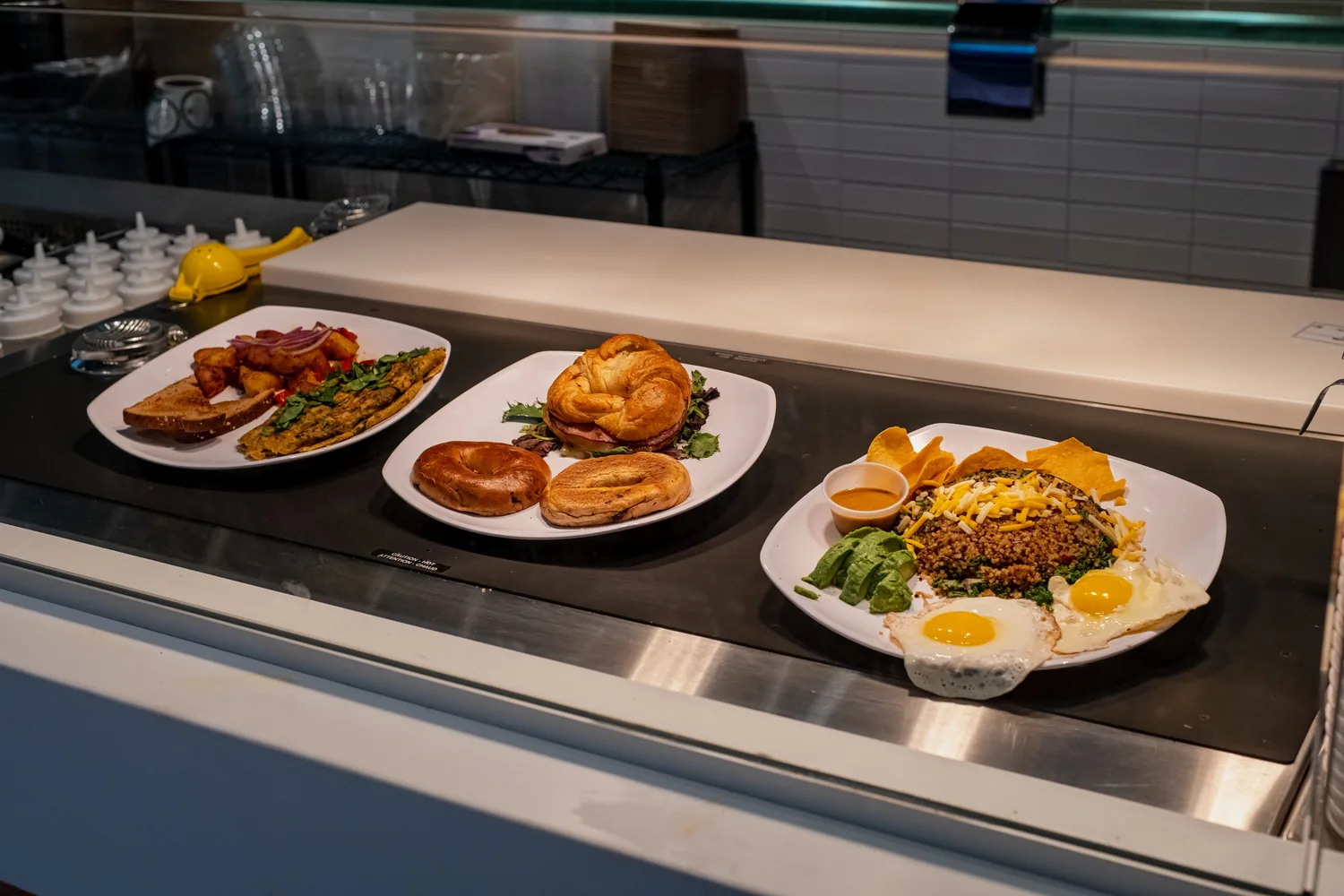
Breakfast rush speed, separate checks without a line, and the fixed fee math of a $10 ticket.
Coffee shops and cafes
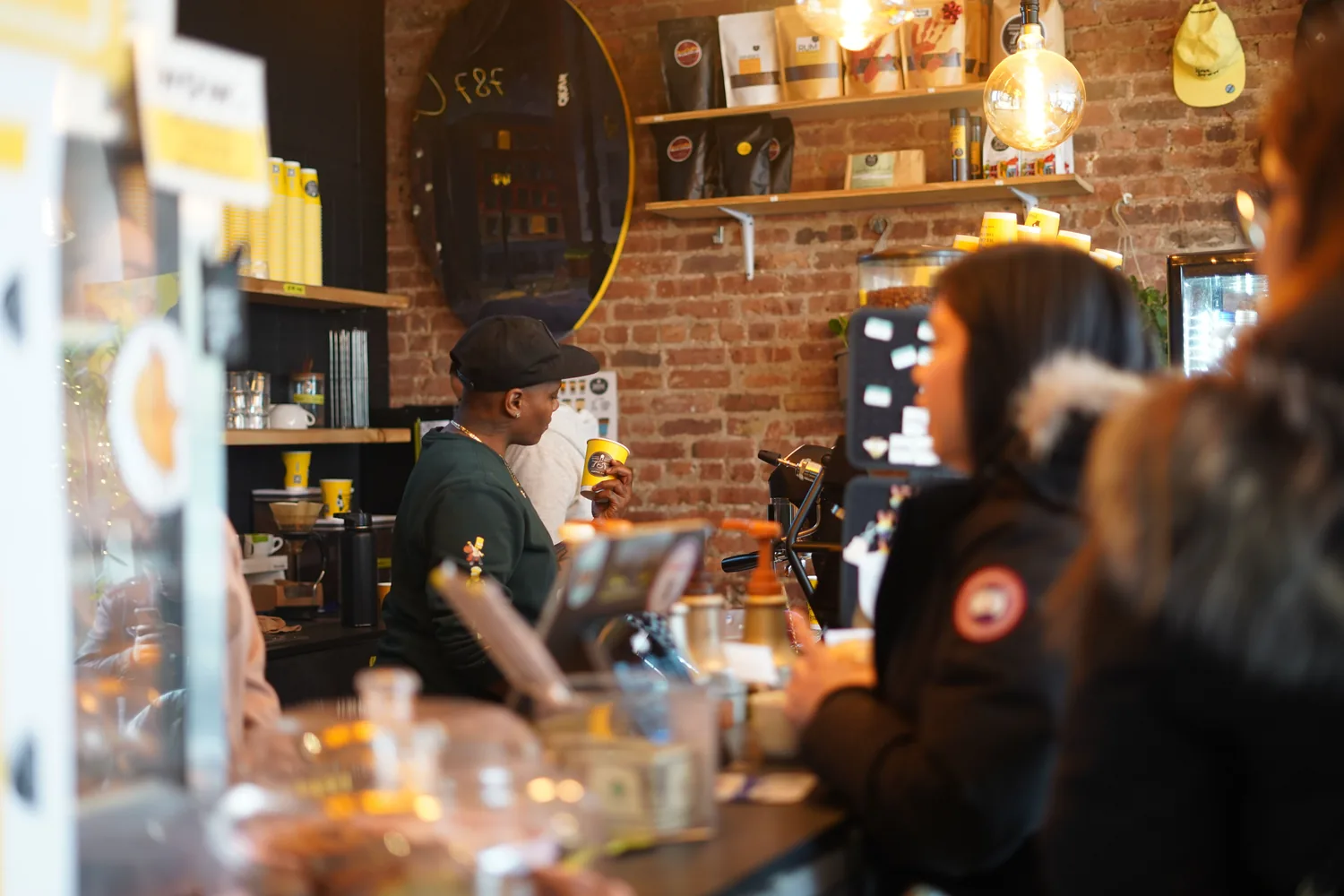
Deep modifiers, offline mode for the morning rush, and the 15 cent problem on a $4.25 latte.

Full service
Coursing, seat numbers, table turns and the tip pooling reports that keep payroll clean.
Fine dining
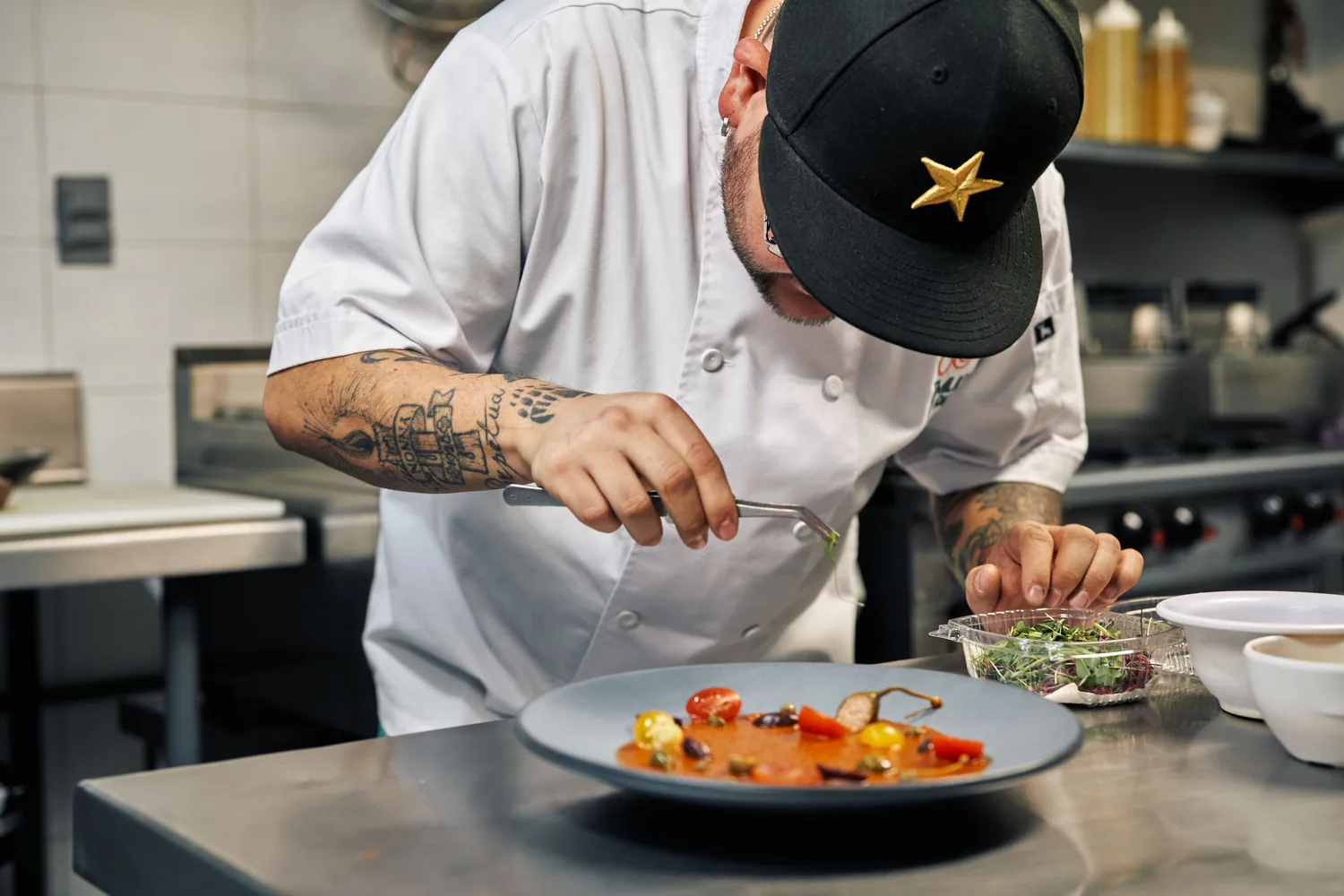
Fire timing, wine list depth and tableside payment that does not interrupt a table.
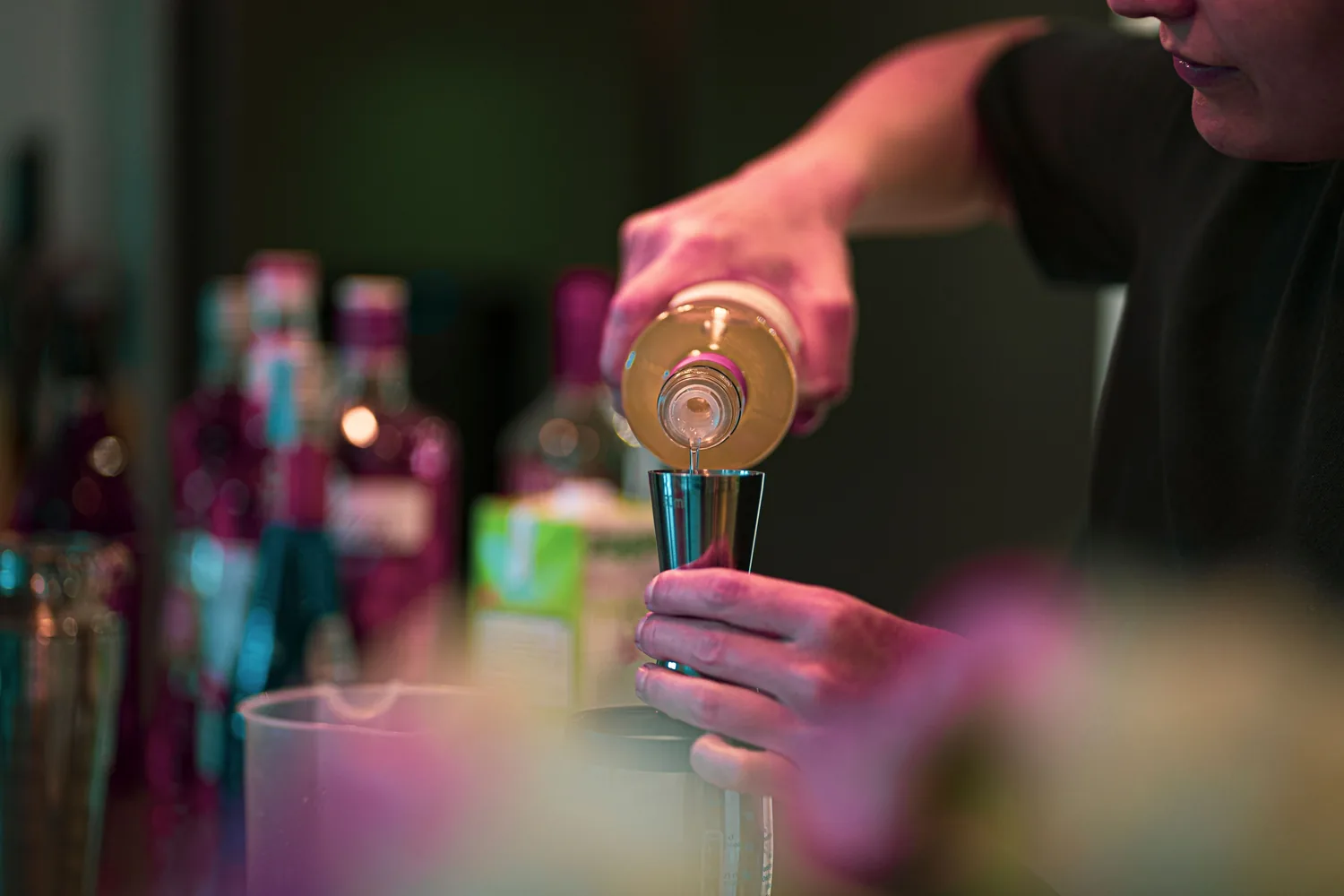
Bars and nightclubs
Open tabs, card pre authorisation, and food and liquor taxed separately on one check.
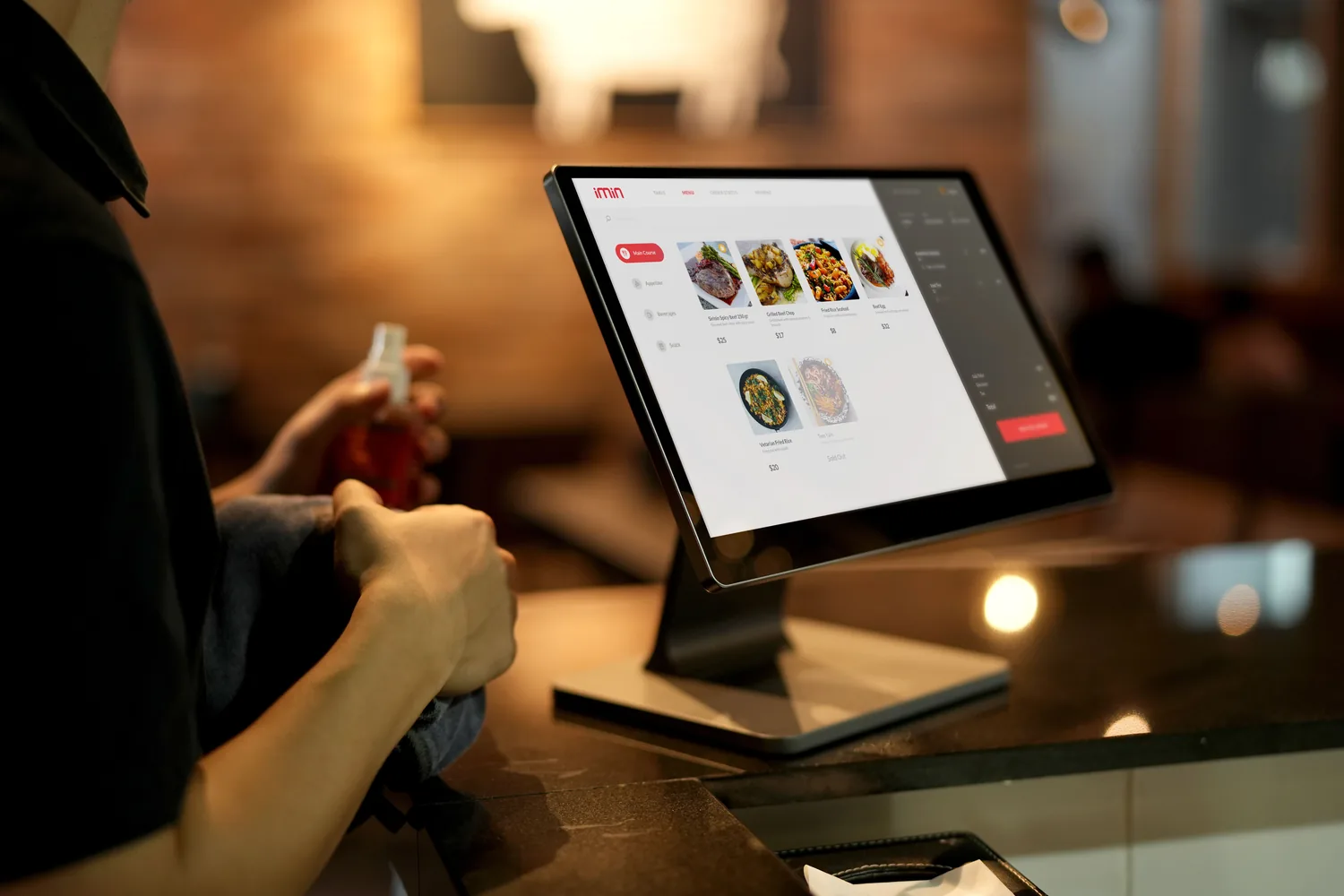
Quick service and fast casual
Seconds per order, kiosks that earn their cost, and aggregator orders folded into one rail.

Food trucks
Offline payments that actually capture, battery friendly hardware, and per event reporting.
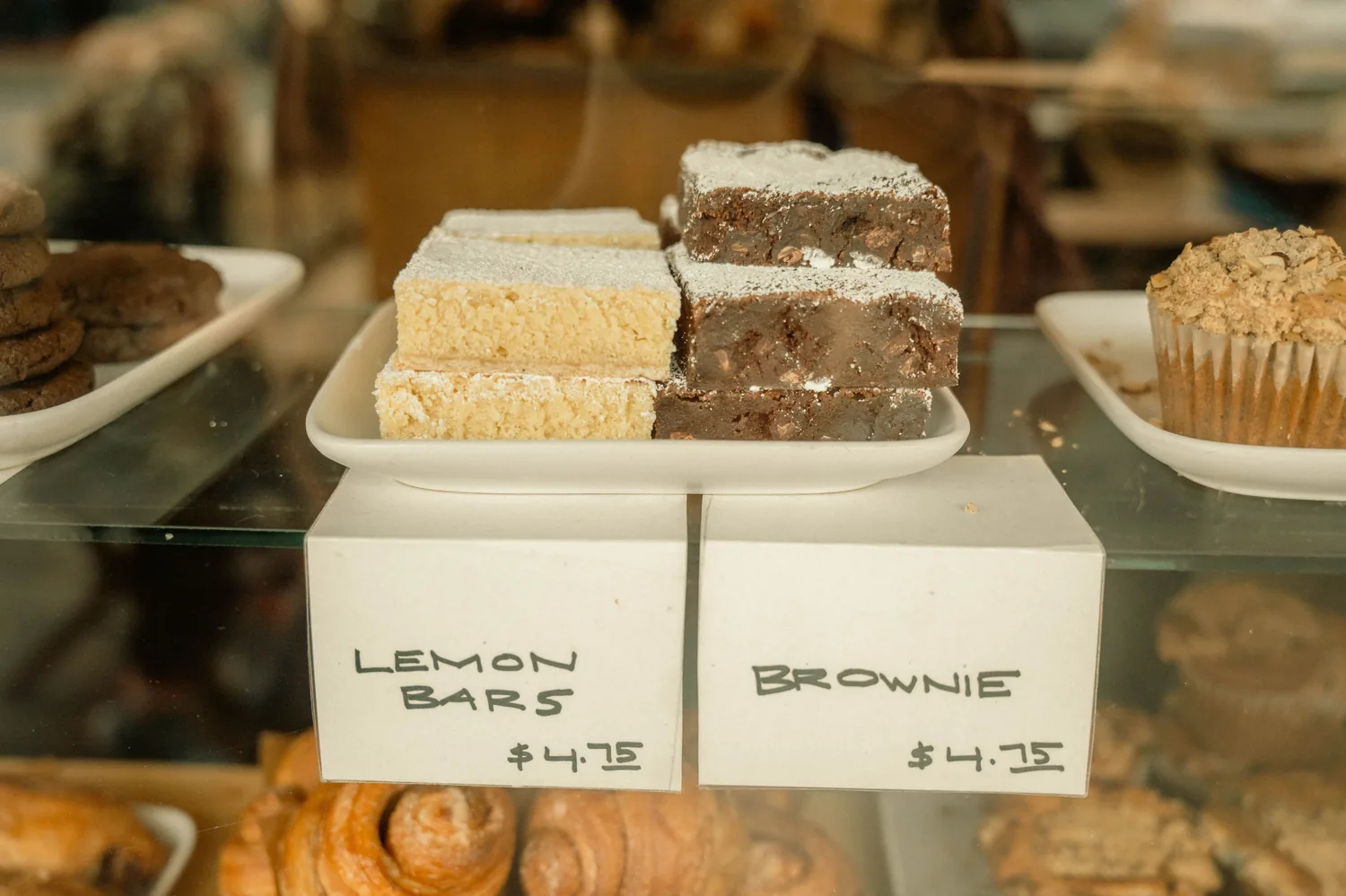
Bakeries
Special orders with deposits and due dates, a case that changes daily, and two tax treatments.
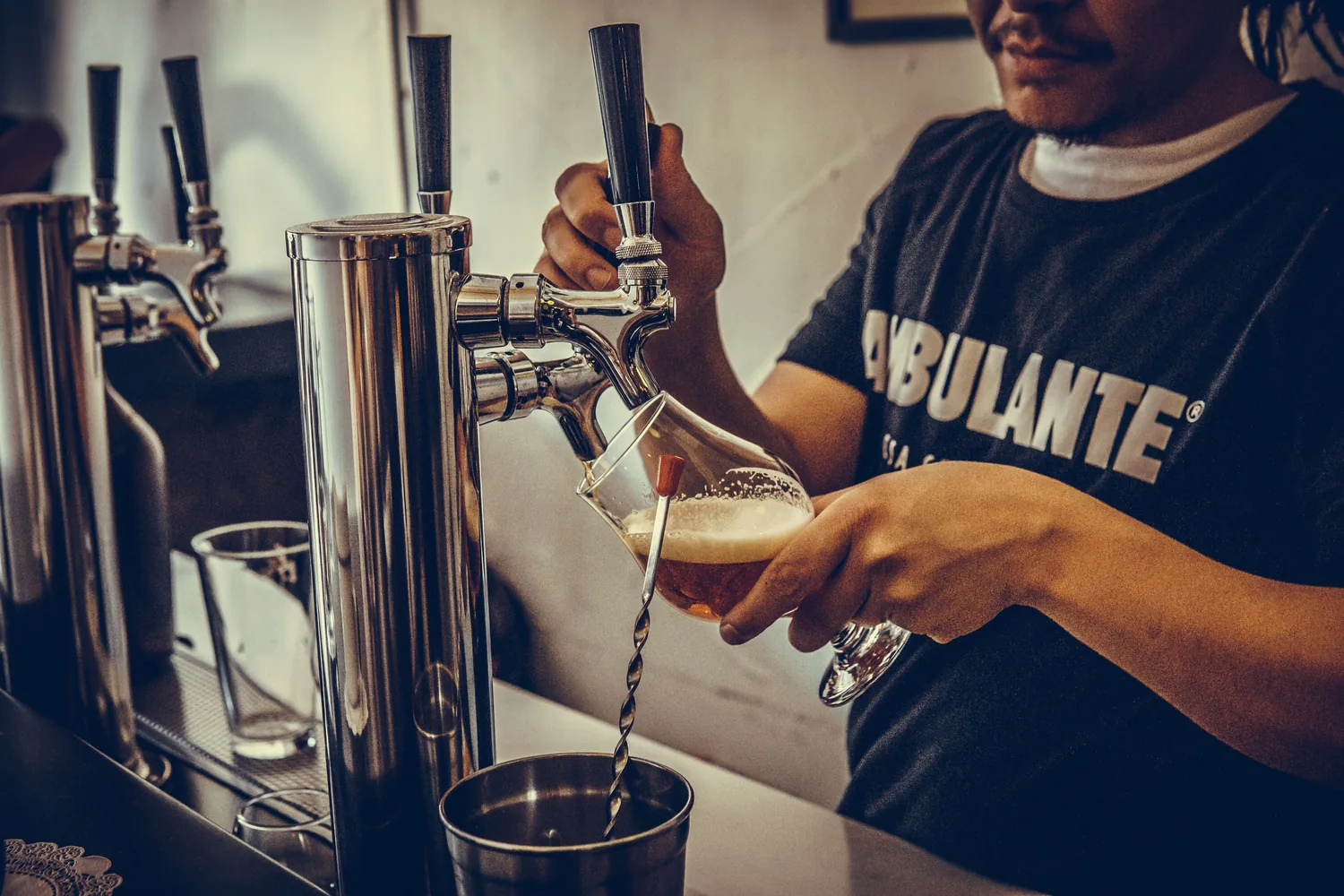
Breweries and taprooms
Flights and growler fills priced from ounce cost, keg level inventory, and tabs that move.

Ghost kitchens
Every aggregator into one rail, brand isolated menus, and profit tracked by brand rather than by kitchen.
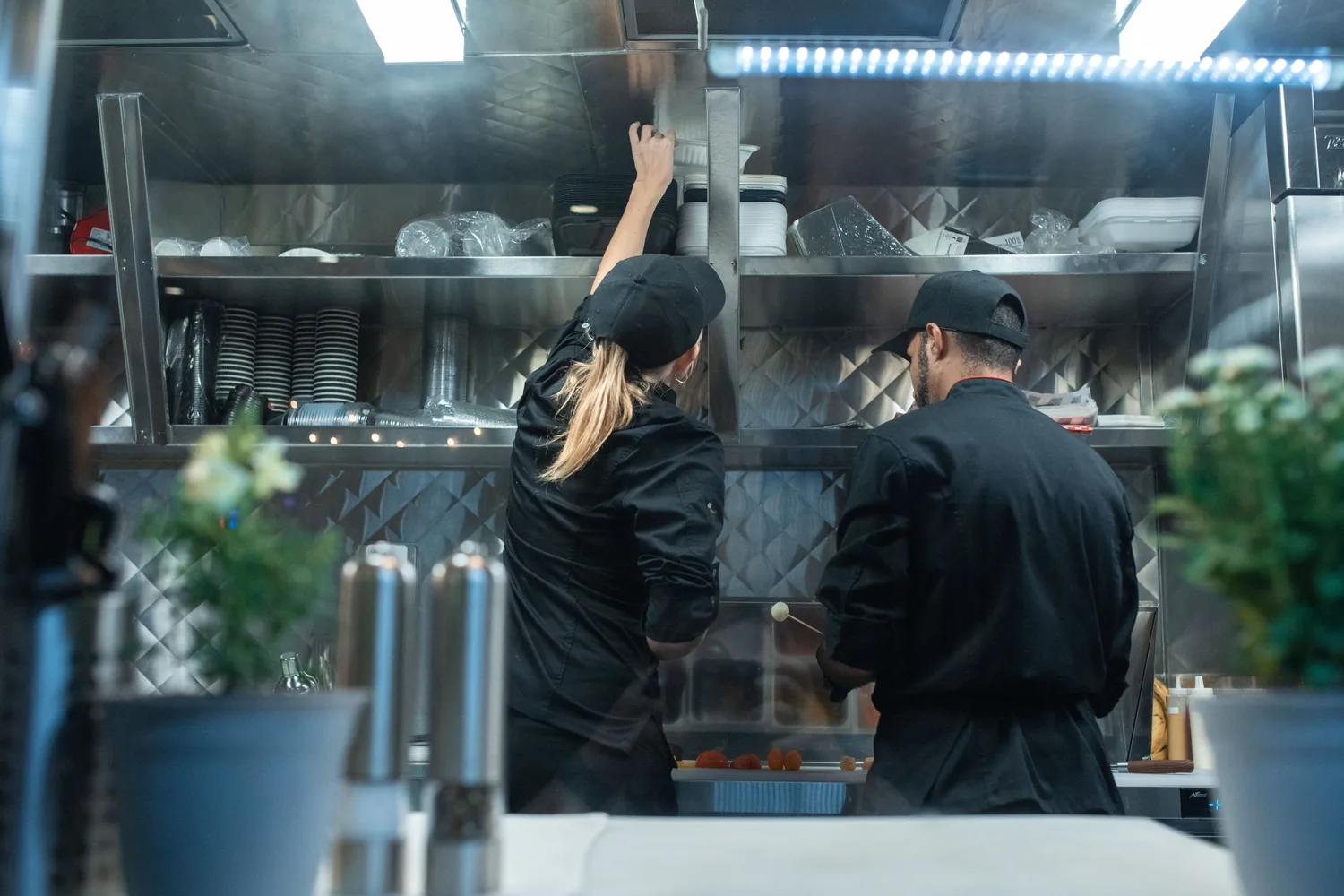
High volume kitchens
Ticket routing across stations, kitchen displays, and holding up on a Friday at seven.

Multi location groups
One menu pushed to four rooms, reporting that rolls up, permissions set per manager.
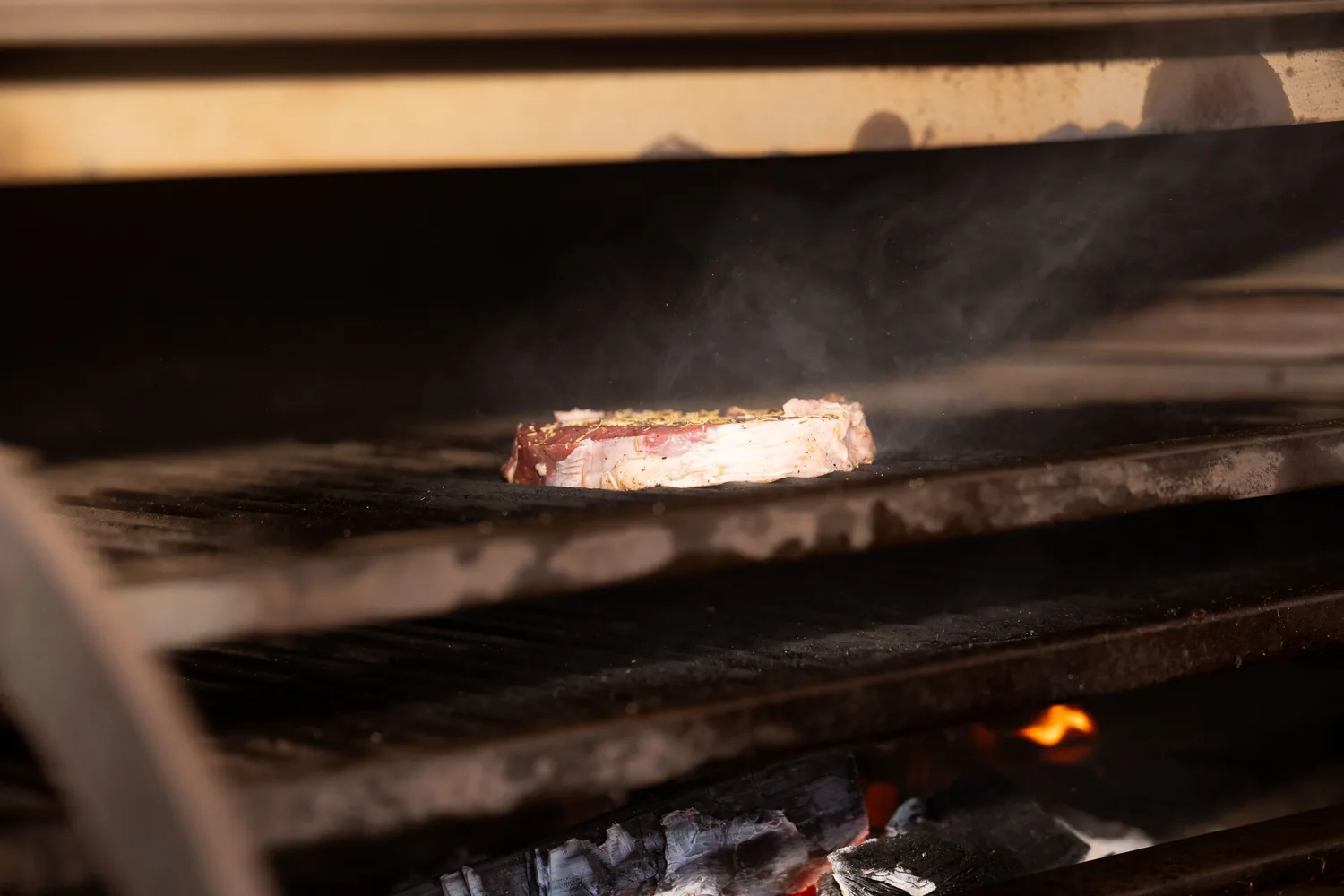
Steakhouse and grill
Modifier depth on temperature and sides, coursing, and a high average ticket to protect.
Toast will not quote you a rate. It told its shareholders anyway.
Toast collected $5.04 billion in financial technology revenue on $195.1 billion of payments in 2025. That is an average of 2.58 cents on every dollar its restaurants ran. The year before was 2.55%. If a rep will not put your rate in writing, that is the number to hold them to.
Toast Q4 and full year 2025 results, released 12 February 2026. Figure computed from the two published totals.
Five things you cannot find anywhere else in this category
Before building this site we read the pages that rank for every major POS buying question: the vendors, the finance publishers, the review platforms. Five things were missing from every single one of them. They are the five things an owner most needs.
Effective rate math, actually multiplied out
Vendor pages print a percentage and a per swipe fee and never multiply them against a real ticket size. On a $4.25 latte, 2.6% plus 15 cents is an effective 6.13%. That arithmetic changes which system wins, and the pages that rank do not do it. Every page here does, and the calculator does it live.
A working calculator instead of a gated spreadsheet
The calculators that rank are lead capture forms or articles about arithmetic. Ours runs on this page, free, no email wall, computing published and clearly labelled reported rates against your volume, your ticket and your terminal count.
Published prices for vendors that publish none
Toast has thousands of pages and not one processing rate. We compile what its own investor filings and independent reporting establish, with the source and date on every figure, and we do the same for every major vendor, including the ones we sell.
A dealer telling you its own fees first
Our Shift4 Dine page lists the $250 annual program fee, the regulatory fee and the yearly escalator before any rep mentions them. Judge every other page here by whether we were willing to do that on our own product.
Named winners that are not what we sell
The pizza page says a specialist deserves your first look. The coffee page says Square is the default at modest volume. Those sentences cost us sales and they are why the rest of the site is worth believing.
What the major systems charge
| System | Software | Card present rate | Contract | The part they lead with least |
|---|---|---|---|---|
| Toast | $0 to $69per terminal, reported | 2.49% to 3.69%+ 15c, reported | 1 to 3 years | The rate climbs with add-ons. Online ordering and delivery move Starter Kit from 3.09% to 3.39%, and gift cards and loyalty take it to 3.69%. That higher rate then applies to every order, not just the online ones. Processing is mandatory and hardware is locked to Toast. |
| Square | $0 / $49 / $149per location, published | 2.6% / 2.5% / 2.4%+ 15c, published | None | The free plan carries the highest rate. Above roughly $25,000 a month in card volume it costs more than the paid one. Kitchen display and kiosk are excluded from free. |
| Clover | $89.95 to $129.85plus $849 to $4,447 hardware, reported | 2.3% + 10crestaurant plans, reported. The reseller sets your final rate | 36 months | Your rate depends entirely on who sold it to you, and identical hardware carries very different pricing from different sellers. Read who owns the equipment before signing. |
| Geniuswas Vital | $0 / $42 / $129published | 2.6% + 10cpublished | 3 years | Their own footnote requires a three year term, 4% cash discounting and $250,000 a year in volume, and mentions an early termination fee. Their pricing page asks about termination fees and then does not answer it. |
| Shift4 DineWe install this | $29.99per terminal, published | Interchange plusmarkup shown in writing | 36 months | What a rep will not lead with: there is a $250 annual program fee per device, an annual regulatory fee, and a yearly escalator on a 36 month agreement. We put all of it in the quote. What you get is a rate where the processor's margin is visible instead of blended into one number. |
| Lightspeed | $69 / $189 / $399published | 2.4% to 2.6% + 10creported, sources disagree | Month to month or annual | A reported $400 a month penalty applies for using a payment processor other than Lightspeed Payments, which makes their processing effectively mandatory. The published software page never states whether prices are per terminal or per location. |
| TouchBistro | $69 or $119published | Not publishedquote based, partner processors | Sources conflict | One reviewer reports month to month, another reports multi year auto renewing contracts that cannot be terminated early. The add-on stack is where the bill grows: reported $25 to $229 a month per module, and a reported $200 setup fee. |
| SpotOn | $0 or $55per station, published | 2.79% + 20c or 2.45% + 15cpublished | 2 years or monthly | The most published rate card in the category after Square. The fine print: a reported $995 conversion fee plus doubled software cost if you switch processors, and cancelling All-In inside a year claws back the hardware discount. |
Square, Genius, SpotOn, Shift4 and Lightspeed software figures are published by those vendors and were read on their own pages on 8 August 2026. Toast, Clover and TouchBistro figures are reported by Merchant Maverick, Expert Market, POSUSA, NerdWallet, business.com and KORONA POS, cross checked against at least two independent sources where possible and labelled where sources disagree. Software units differ: Square prices per location, Toast and Shift4 per terminal, Clover per device, SpotOn per station. Rates change without notice. General guidance, not legal, tax or accounting advice.
The head to heads, written to be checkable
Table first, then where each one wins, including the comparisons where our own product loses. Start with the one everybody searches.
Toast vs Square
We sell neither, which makes it the easiest honest page on the site and a fair test of the rest. Where the fifteen cent fee decides it and where the kitchen tooling does.
Clover vs Square vs Toast
The three names on almost every first shortlist run three different pricing structures: published, private and reseller-set. Comparing them is really comparing those.
Shift4 Dine vs Toast
Ours against the incumbent, including the rooms where Toast wins, named plainly. If that page ever reads like a sales sheet, hold it against us.
Toast alternatives
For owners who have already decided to leave: what the exit actually involves, what it costs, and when the honest answer is to wait out the term.
Already stuck in a contract you regret?
This is the most underserved question in the category, and the one where an honest answer matters most. Start with the paperwork, not the shopping.
Read your termination clause first
Notice period, termination fee, and whether the hardware lease is a separate agreement with a different end date, which is where most owners get caught. Send it to us and we will read it free, including when the answer is that leaving costs more than staying.
Then read your statement
Fifteen minutes, four numbers, and you know your real effective rate and whether the switch is even worth it. Most owners have never had anyone walk one with them.
Then switch without losing a shift
Menu build is the long pole, gift card balances are the thing people forget, and the go live night should have your vendor physically standing in the room. The playbook is on the switching page.
What actually happens after you send your numbers
No pitch on the first call. If your current system is fine and your rate is fair, we will tell you that and you will not hear from us again.
We read your statement with you
Send last month's and you get your real effective rate back, line by line, showing what is interchange, what is the processor's margin, and what is a junk fee. Free, whether or not you buy anything.
We quote against it in writing
Interchange plus, with the markup visible, so you can compare it to anything else on your desk. Every fee named, including the annual ones most reps leave out.
We build your menu, not you
Every item, modifier, combo and tax group, programmed and tested by us, then walked through with you on a screen share before a single live ticket runs.
We install it and stand in the room
Mounted, cabled, tested on your floor. Staff trained across every shift. Somebody there on go live night, which is the night things break.
The questions that decide this, answered plainly
How much does a restaurant POS system cost?
There are four costs and most quotes only show you one. Software runs from nothing to about $69 a terminal a month. Hardware runs from a few hundred dollars for a single terminal into the thousands for a full kitchen. Card processing is by far the largest and it never stops. Installation and training may be free or may not be. Our full cost breakdown puts real numbers on all four.
Why will Toast not tell me its processing rate?
Because it quotes each restaurant individually, which it describes as building a custom rate. The practical effect is that you cannot compare it to anything until you are already in a sales conversation. Third party reporting puts it between 2.49% and 3.69% plus 15 cents depending on plan and add-ons, and Toast's own investor filings show it collected an average of 2.58% across all its restaurants in 2025.
Is the free Square plan actually free?
The software is. The processing is not, and the free plan charges 2.6% plus 15 cents against 2.4% plus 15 cents on the paid plan. Above roughly $25,000 a month in card volume the free plan costs you more overall. Kitchen display screens and self order kiosks are also excluded from it.
What is the best POS system for a restaurant?
There is no single answer, and every page claiming one is selling something, including sometimes us. The honest version: the answer changes with your average ticket, your card volume, your service model and your appetite for contracts. Our restaurant type guides work through fourteen kinds of room, naming winners we sell and winners we do not.
What is an effective rate and why does this site repeat it so much?
Total processing fees divided by total card volume. It is the only number that folds the percentage, the per swipe fee and the monthly charges into something two quotes can be compared on. A rep who will not put yours in writing has answered the important question already. The calculator computes it from published rates.
Can I get out of my current POS contract?
Sometimes, and it depends on the exact termination clause and whether your hardware is leased separately, which is where most owners get caught. Send us the agreement and we will read it and tell you what it allows, including when the answer is that you should wait it out. See getting out of a contract.
Is cash discounting or dual pricing legit?
Implemented correctly, with proper signage and receipt disclosure, cash discounting is legal in all fifty states and can move most card acceptance cost off your books. Surcharging is a different mechanism, capped by the card networks and not legal everywhere, and debit surcharging is prohibited federally. Whoever proposes either should hand you the mechanics in writing before you agree.
Who is behind this site?
Equip Payment Solutions, an independent dealer that installs and supports restaurant POS systems nationwide and sells Shift4 Dine and Clover. That is a commercial interest and it is disclosed on every page, including this one. The about page explains exactly how we make money and how the numbers here are sourced.
Do you only recommend the systems you sell?
No, and the site would be worthless if we did. We place Shift4 Dine and Clover. Where Toast or Square is the better fit for a restaurant we say so on the comparison page and on the first call. Our Shift4 Dine versus Toast page names the situations where Toast wins.
Tell us what is actually going wrong
Bring last month's statement. We will read it with you, free, and be straight about whether we are the ones to fix it.
Send your numbers
About a minute. It goes straight to the Equip team.
It reaches the Equip team. A person calls you back, and if we do not have a crew near you, the team routes it to whoever serves you best. We never ask for card or bank details on this site.