
POS systems for high volume kitchens
Volume is a filter that most systems pass in the demo and some fail on the floor. The questions that matter are all peak questions: what routing looks like with sixty open tickets, what the screens do when the internet dies, and what the reports say about the hour that makes or breaks the week.
 Judd Alsup and the Equip Payment Solutions team, who install and support restaurant POS systems nationwide and sell Shift4 Dine and Clover.
Updated August 9, 2026. Sources and dates cited on every figure.
The short answer
For a high volume kitchen, where the offline test and station routing decide it:
- Toast the benchmark kitchen stack at volume, and we say that selling against it; the bill is the trade.
- Shift4 Dine holds the line with routing, displays and stated costs. We install this.
- SpotOn scales into volume with a published card; demo the screens at load.
The rest of this page is the case for each line, with sources.
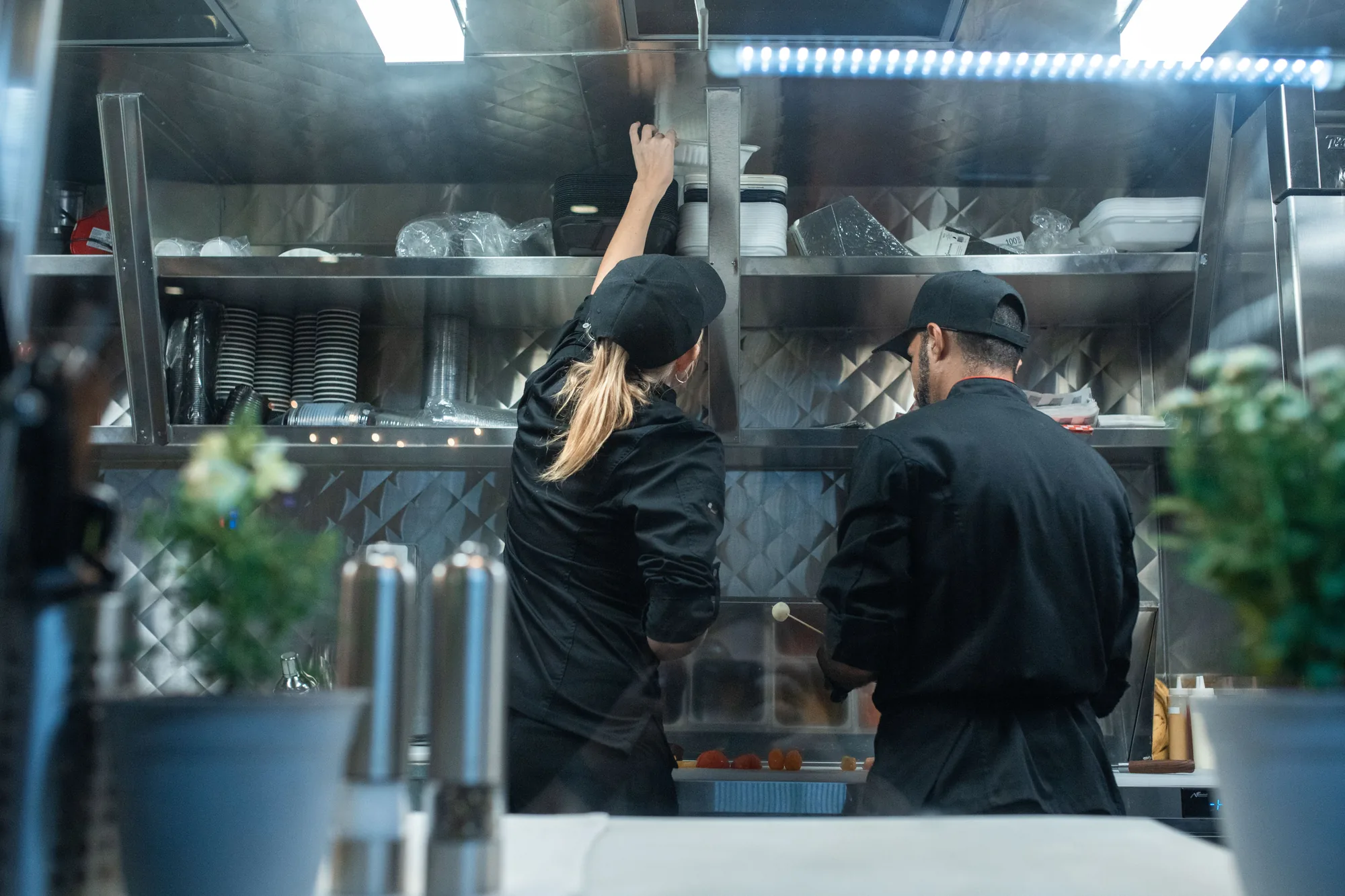
What this room needs from a POS
Ticket routing across stations
Grill, fry, saute, cold. Items routed to the right screen automatically, with the whole table visible to expo.
Kitchen displays that survive the rush
Screens that stay legible and responsive at peak. This is where cheap systems fall over and it is the worst possible time to find out.
Offline behaviour
What happens when the internet drops at seven on a Friday. Ask this question specifically and make them show you.
Throughput reporting
Ticket times by station and by hour, so you can staff against what actually happens rather than what you remember.
Hardware rated for a real kitchen
Heat, grease and steam kill consumer tablets. Kitchen displays need kitchen grade enclosures, and the spec sheet will tell you which vendor has actually stood in one.
The offline question is the only demo question that matters
Every system claims offline mode. The claims differ by an entire business outcome. The full version keeps taking orders, keeps the kitchen screens flowing, queues card payments for capture and syncs when the connection returns: service continues, slightly nervously. The partial version keeps the register alive but drops the kitchen displays to darkness, which in a high volume room means service stops anyway, because a sixty ticket kitchen cannot fall back to shouting. Make the rep unplug the router in the demo, in front of you, and watch the kitchen screens specifically. Whatever happens in that minute is what happens on your worst Friday.
Routing logic is the second load bearing wall. At volume, an item is not a line on a ticket, it is an instruction to a station with a timing relationship to five other instructions. Combo items have to split across screens, the fry station seeing its part while expo sees the whole, and remakes have to jump the queue visibly. Systems built kitchen first handle course and station logic natively; systems that grew from a register treat the kitchen screen as a remote printer, and at forty covers an hour the difference is chaos you can hear from the parking lot.
Then there is the data the rush leaves behind. Ticket time percentiles by station by hour tell you the fry station drowns at 7:15 every Friday, which is a staffing fact worth a labor hour, not an anecdote. Averages hide the pain; a kitchen that averages nine minutes with a 95th percentile of twenty two has a problem the average will never confess. Ask to see the report with percentiles, and if the vendor's reporting stops at averages, their kitchen story stops before the interesting part.
The systems, judged for this room
Toast's kitchen stack is the benchmark at volume
Kitchen displays, routing and timing tooling are where Toast's product investment visibly went, and high volume rooms feel it. This site's standing complaints, unpublished rate, per terminal software, add-on fees, apply at full force, but at sixty tickets an hour the kitchen tooling argument is real and we say so as a competitor.
Shift4 Dine holds the line at volume with stated costs
Station routing, kitchen displays and offline continuity at $29.99 a terminal, markup in writing. We install it in high volume rooms; the head to head page names where Toast's deeper kitchen modules win, because pretending otherwise would cost us this page's credibility.
Square is not built for this room
Its KDS exists and its pricing is honest, but sixty ticket routing, kitchen grade hardware depth and offline kitchen continuity are outside what it is for. At this volume that is not a criticism, it is a category boundary.
SpotOn scales into volume with published economics
Full service and QSR tooling, kitchen displays, and the category's most complete published rate card. The demo question is kitchen screen behavior at load and offline; the pricing question is already answered on their website, which is the point.
Clover tops out below this room
Counter and light table service are its lane. A high volume kitchen pushing station routing through app market add-ons is renting a workaround, and the reseller variable pricing adds risk exactly where volume makes it expensive.
The economics: peak hours pay for everything, protect them
A high volume room's week is decided in eight to ten peak hours; everything the POS costs or saves lands there. The failure math is brutal: a system outage during two Friday peak hours at $2,000 an hour of throughput costs more than a year of software fees, which reframes every reliability question as a financial one. Redundancy, offline continuity and same day hardware replacement are not IT preferences, they are revenue insurance priced in software fees.
Processing at this volume compounds fast: $100,000 monthly at mid size tickets makes each tenth of a point $100 a month, and typical quote spreads at this scale run to thousands a year on identical swipes. Get the effective rate in writing, run the calculator at your real peak-inclusive volume, and negotiate like the number matters, because at this volume it does.
What the major systems charge
| System | Software | Card present rate | Contract | The part they lead with least |
|---|---|---|---|---|
| Toast | $0 to $69per terminal, reported | 2.49% to 3.69%+ 15c, reported | 1 to 3 years | The rate climbs with add-ons. Online ordering and delivery move Starter Kit from 3.09% to 3.39%, and gift cards and loyalty take it to 3.69%. That higher rate then applies to every order, not just the online ones. Processing is mandatory and hardware is locked to Toast. |
| Square | $0 / $49 / $149per location, published | 2.6% / 2.5% / 2.4%+ 15c, published | None | The free plan carries the highest rate. Above roughly $25,000 a month in card volume it costs more than the paid one. Kitchen display and kiosk are excluded from free. |
| Clover | $89.95 to $129.85plus $849 to $4,447 hardware, reported | 2.3% + 10crestaurant plans, reported. The reseller sets your final rate | 36 months | Your rate depends entirely on who sold it to you, and identical hardware carries very different pricing from different sellers. Read who owns the equipment before signing. |
| Geniuswas Vital | $0 / $42 / $129published | 2.6% + 10cpublished | 3 years | Their own footnote requires a three year term, 4% cash discounting and $250,000 a year in volume, and mentions an early termination fee. Their pricing page asks about termination fees and then does not answer it. |
| Shift4 DineWe install this | $29.99per terminal, published | Interchange plusmarkup shown in writing | 36 months | What a rep will not lead with: there is a $250 annual program fee per device, an annual regulatory fee, and a yearly escalator on a 36 month agreement. We put all of it in the quote. What you get is a rate where the processor's margin is visible instead of blended into one number. |
| Lightspeed | $69 / $189 / $399published | 2.4% to 2.6% + 10creported, sources disagree | Month to month or annual | A reported $400 a month penalty applies for using a payment processor other than Lightspeed Payments, which makes their processing effectively mandatory. The published software page never states whether prices are per terminal or per location. |
| TouchBistro | $69 or $119published | Not publishedquote based, partner processors | Sources conflict | One reviewer reports month to month, another reports multi year auto renewing contracts that cannot be terminated early. The add-on stack is where the bill grows: reported $25 to $229 a month per module, and a reported $200 setup fee. |
| SpotOn | $0 or $55per station, published | 2.79% + 20c or 2.45% + 15cpublished | 2 years or monthly | The most published rate card in the category after Square. The fine print: a reported $995 conversion fee plus doubled software cost if you switch processors, and cancelling All-In inside a year claws back the hardware discount. |
Square, Genius, SpotOn, Shift4 and Lightspeed software figures are published by those vendors and were read on their own pages on 8 August 2026. Toast, Clover and TouchBistro figures are reported by Merchant Maverick, Expert Market, POSUSA, NerdWallet, business.com and KORONA POS, cross checked against at least two independent sources where possible and labelled where sources disagree. Software units differ: Square prices per location, Toast and Shift4 per terminal, Clover per device, SpotOn per station. Rates change without notice. General guidance, not legal, tax or accounting advice.
Questions owners ask
What is the best POS for a high volume restaurant?
Toast and Shift4 Dine both run the room; Toast's kitchen depth leads, our economics are visible, and the offline unplug test plus your terminal count math should decide it. SpotOn earns the third demo slot on published pricing. Whatever you pick, kitchen grade display hardware is non negotiable.
What actually happens when the internet dies?
On the systems worth buying: orders keep flowing to kitchen screens over the local network, card payments queue offline with a capture risk window, and everything syncs on reconnect. On the rest: the kitchen goes dark and service stops. Make the rep unplug the router live. It is the single most revealing minute available in a demo.
Do kitchen displays really beat printers at volume?
Past roughly thirty tickets an hour, yes and it stops being close: displays sequence, time, escalate and reroute, a rail just accumulates paper. The transition cost is real, expo has to relearn the rhythm, and the payoff is measured in ticket time percentiles within the month.
How many terminals does a high volume room need?
Enough that no station queues at peak, which is a math problem, not a guess: watch where staff wait, and price the marginal terminal against the labor minutes it recovers. Per terminal software pricing changes this answer, which is exactly why the calculator carries a terminal slider.
Have your own numbers checked
Send last month's statement. We read it with you, free, and tell you straight whether we are the ones to fix it.
Send your numbers
About a minute. It goes straight to the Equip team.
It reaches the Equip team. A person calls you back, and if we do not have a crew near you, the team routes it to whoever serves you best. We never ask for card or bank details on this site.