
Start with the room you actually run
A steakhouse and a taproom need different systems. Each guide names which ones handle that room well, which ones quietly do not, and what it costs.
Pizza restaurants
Half and half pricing that gets the math right, driver dispatch, and a make line that runs in oven order.
Diners and casual dining
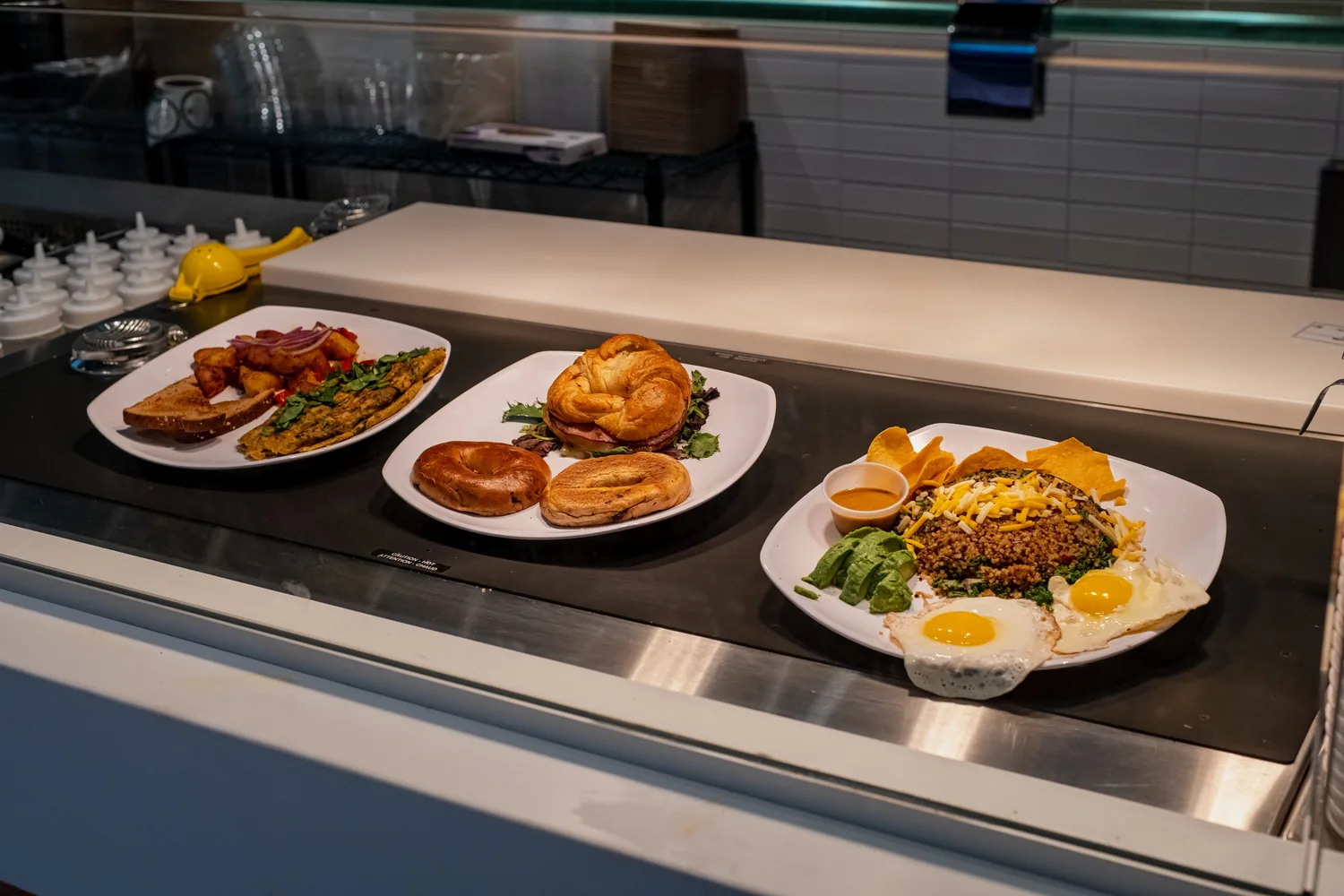
Breakfast rush speed, separate checks without a line, and the fixed fee math of a $10 ticket.
Coffee shops and cafes
Deep modifiers, offline mode for the morning rush, and the 15 cent problem on a $4.25 latte.

Full service
Coursing, seat numbers, table turns and the tip pooling reports that keep payroll clean.
Fine dining
Fire timing, wine list depth and tableside payment that does not interrupt a table.
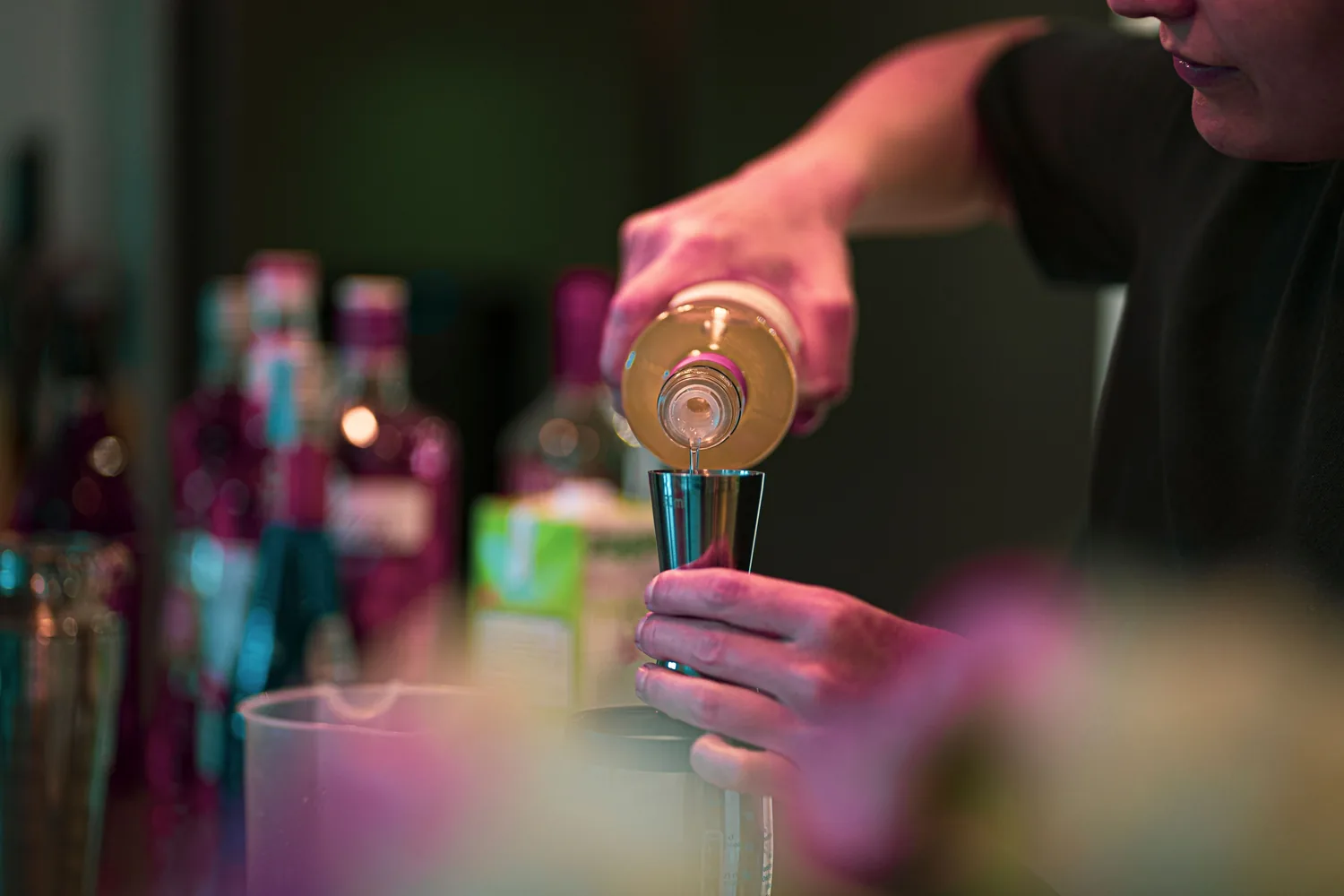
Bars and nightclubs
Open tabs, card pre authorisation, and food and liquor taxed separately on one check.
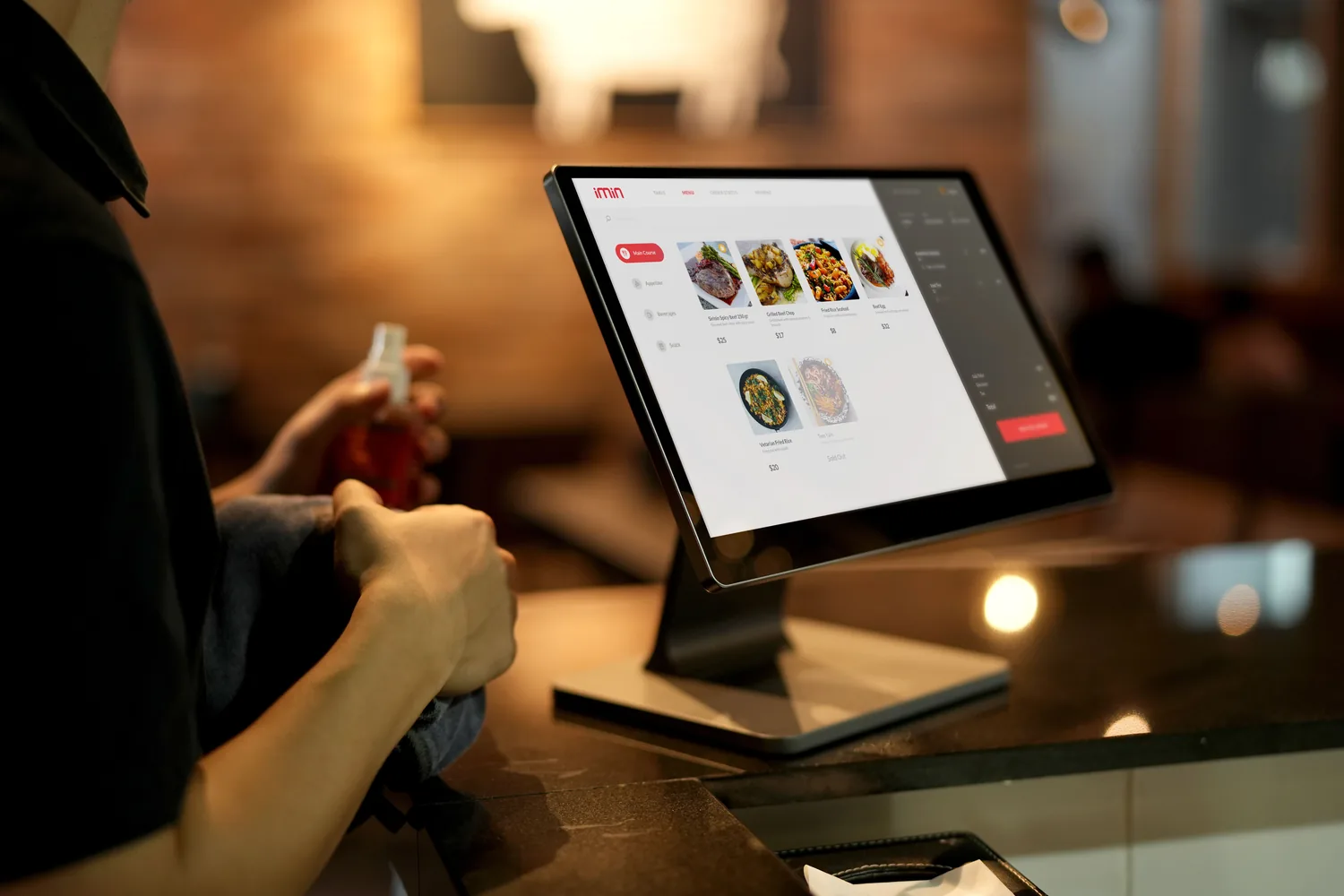
Quick service and fast casual
Seconds per order, kiosks that earn their cost, and aggregator orders folded into one rail.
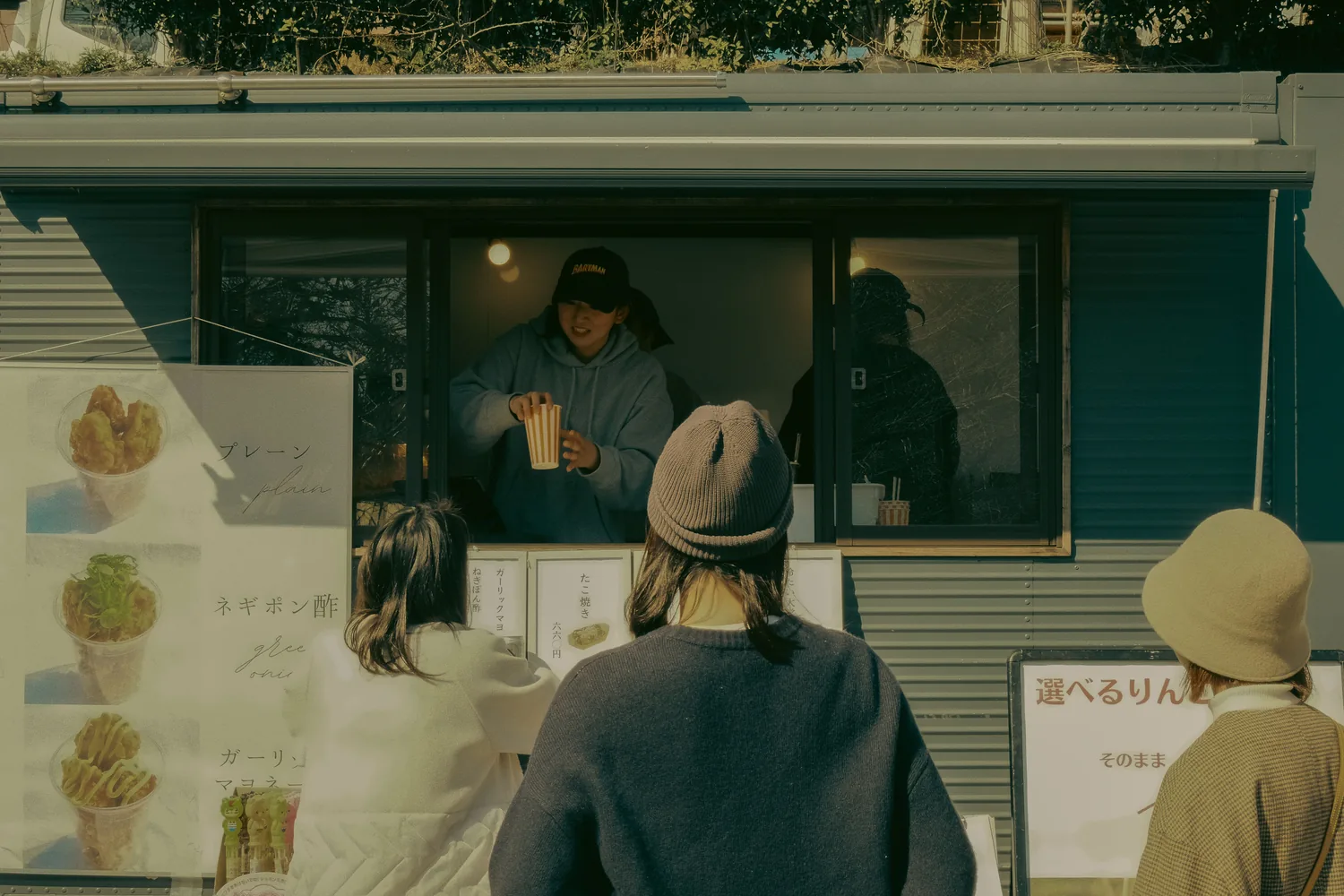
Food trucks
Offline payments that actually capture, battery friendly hardware, and per event reporting.
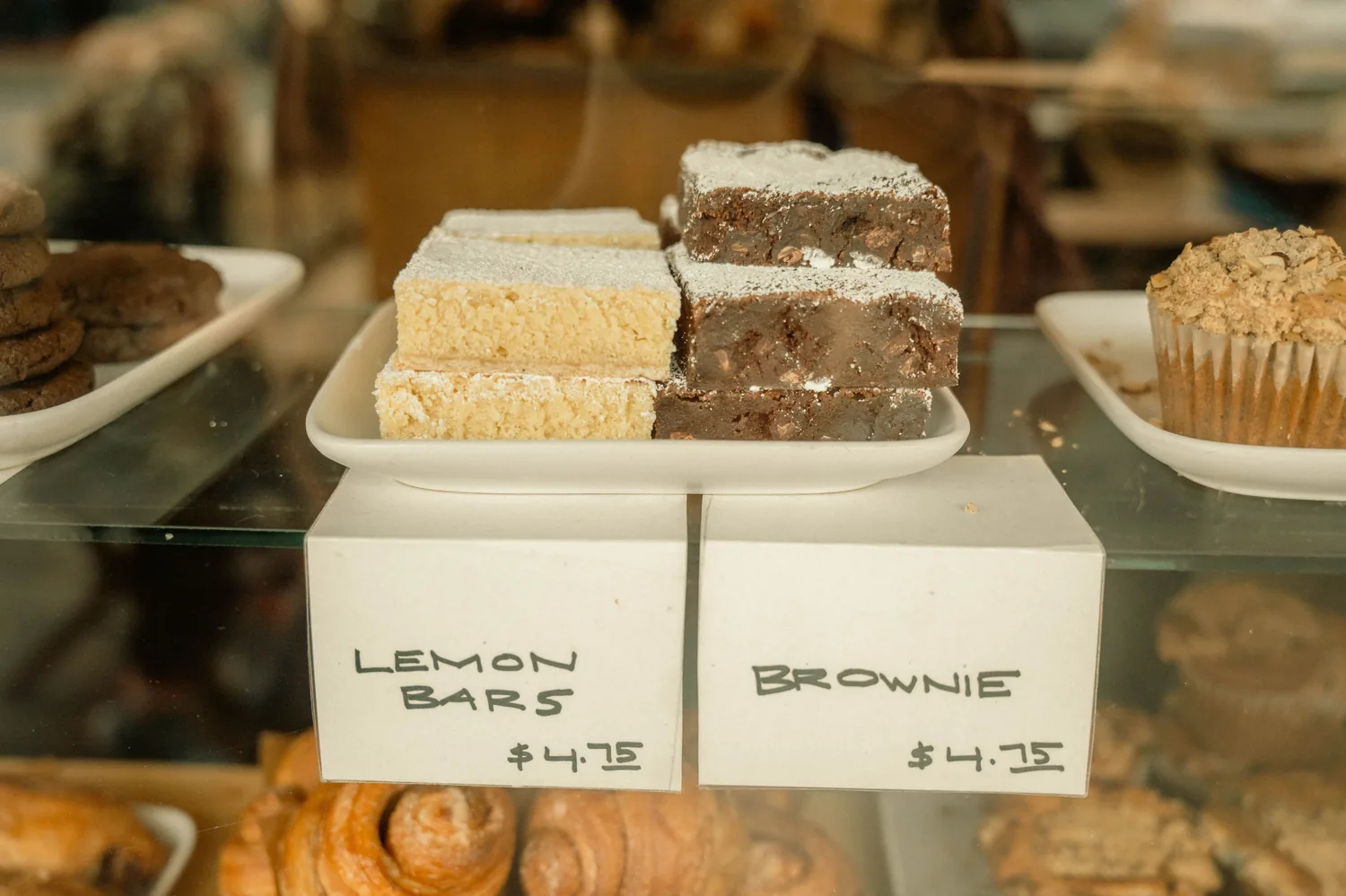
Bakeries
Special orders with deposits and due dates, a case that changes daily, and two tax treatments.
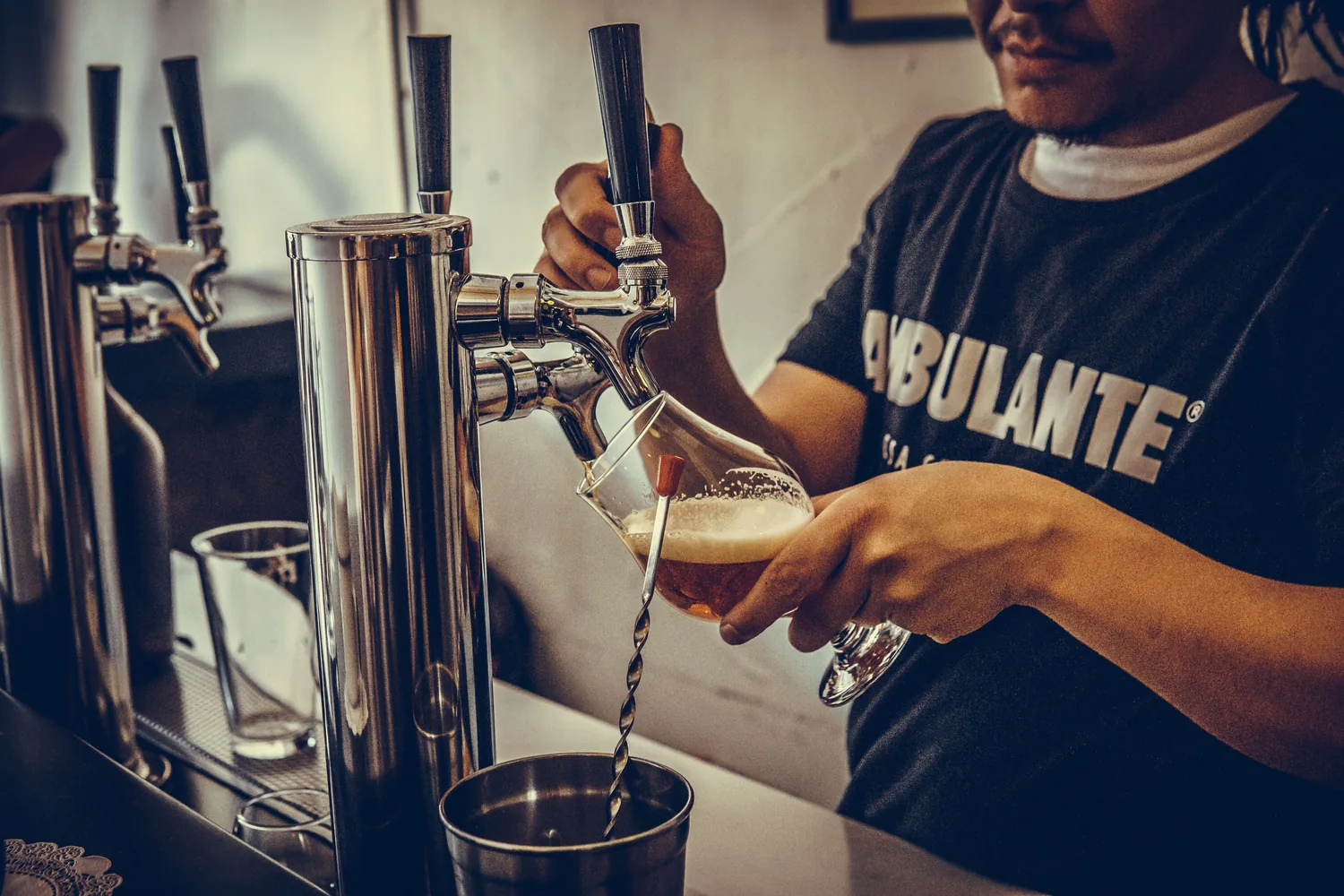
Breweries and taprooms
Flights and growler fills priced from ounce cost, keg level inventory, and tabs that move.
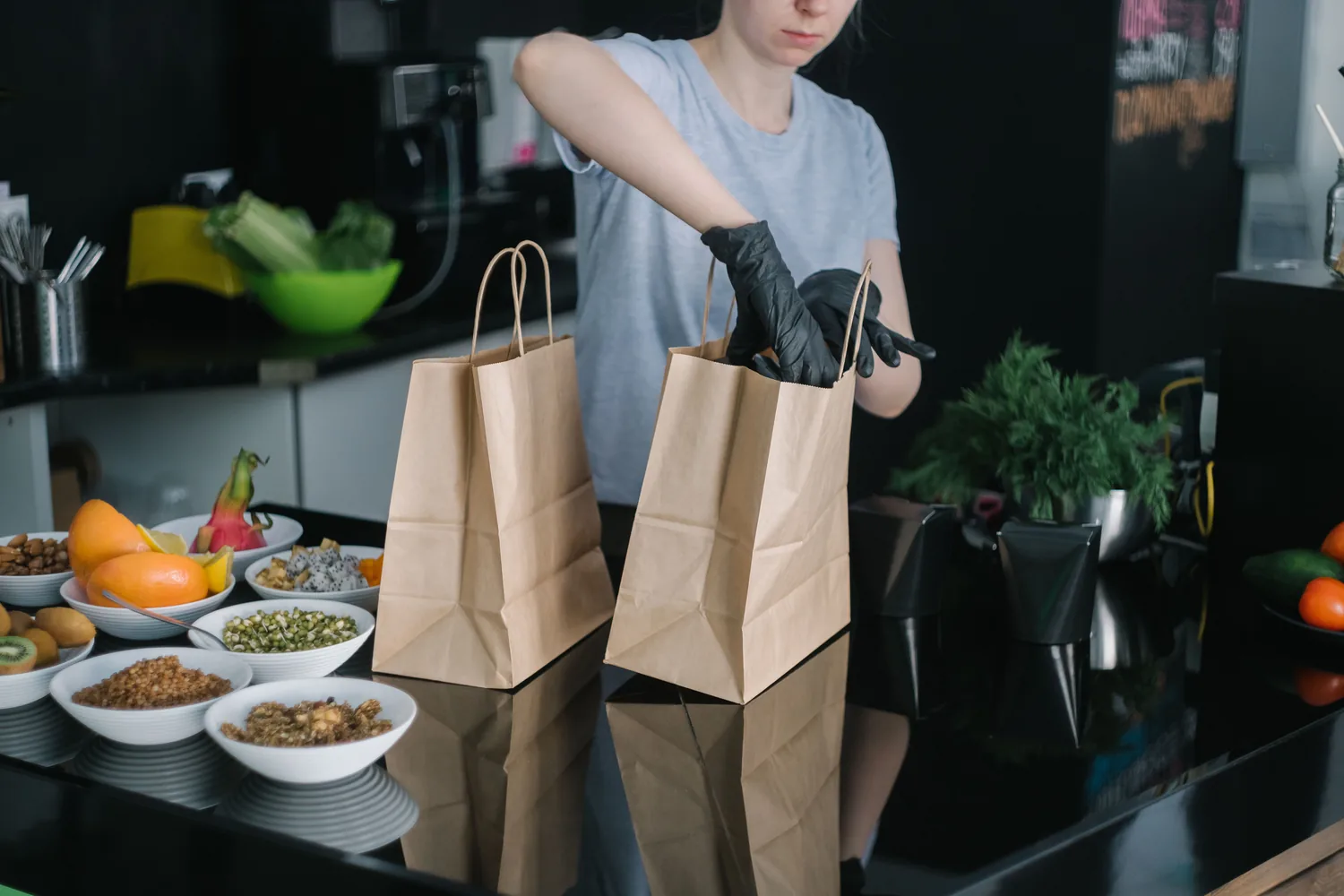
Ghost kitchens
Every aggregator into one rail, brand isolated menus, and profit tracked by brand rather than by kitchen.
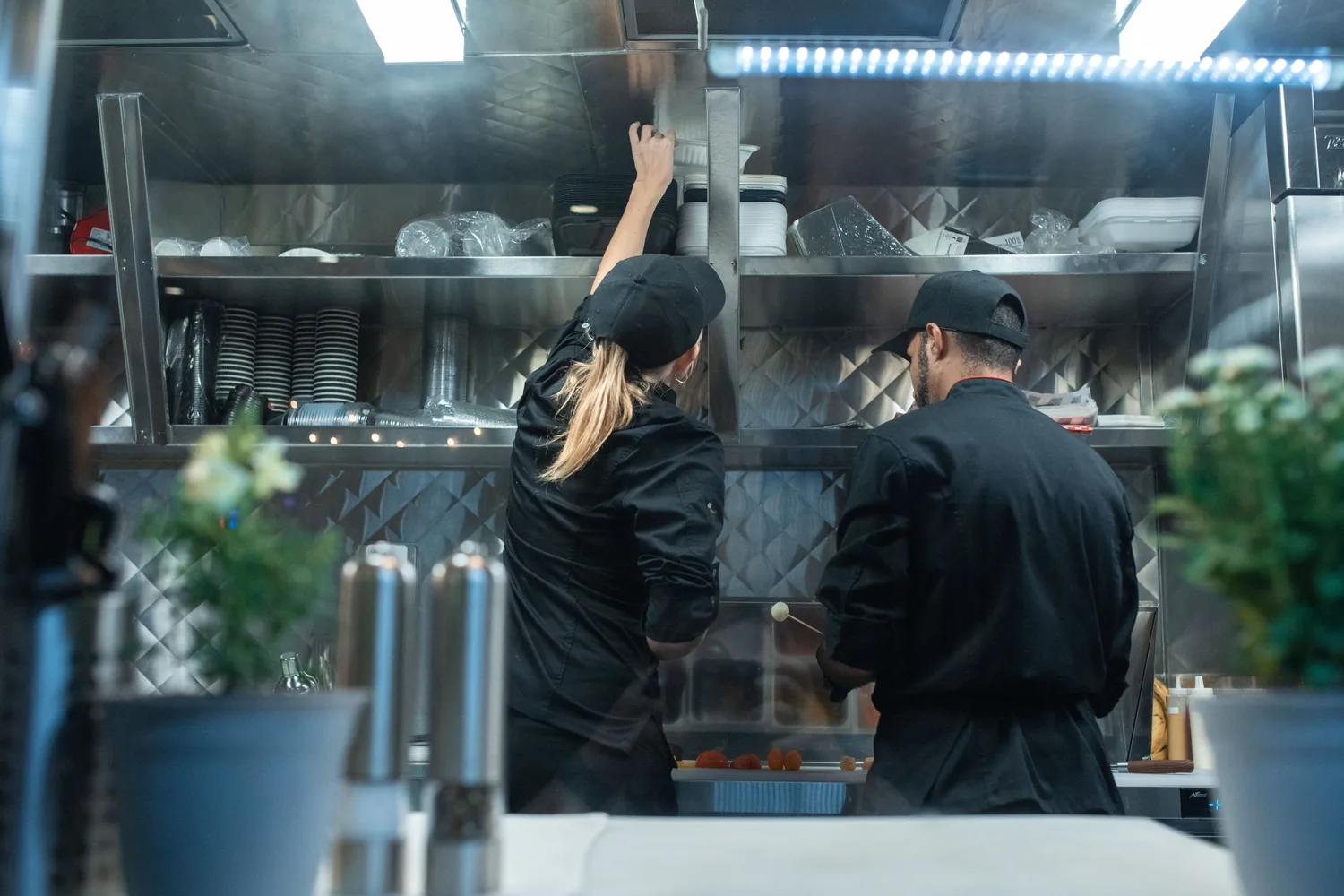
High volume kitchens
Ticket routing across stations, kitchen displays, and holding up on a Friday at seven.
Multi location groups
One menu pushed to four rooms, reporting that rolls up, permissions set per manager.
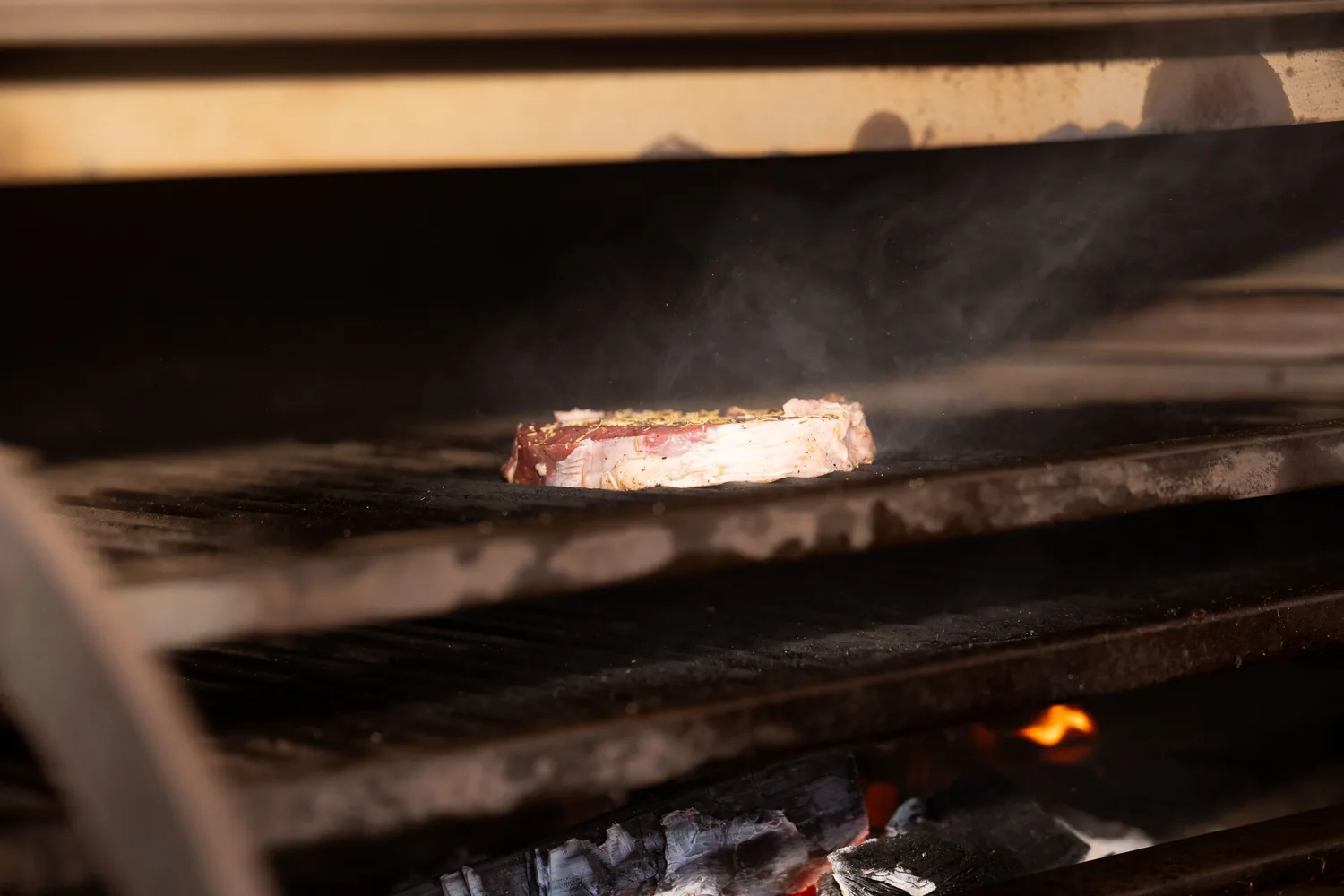
Steakhouse and grill
Modifier depth on temperature and sides, coursing, and a high average ticket to protect.
Why the room decides the system
Two facts drive every one of these guides. First, the fee structure that wins changes with your average ticket: a $4.25 latte pays the fixed per swipe fee as a punishing percentage while a $95 steak barely notices it, so the coffee page and the steakhouse page give opposite processing advice, on purpose, with the math shown. Second, the operational feature that matters most is different in every room: half and half pricing in a pizzeria, pre auth tabs behind a bar, keg yield in a taproom, offline mode on a truck. A system that is excellent at one is routinely mediocre at another, which is why national 'best POS' lists are worthless and these pages exist instead.
Each guide carries the same skeleton: what the room actually needs, the section only an operator would know to ask about, how the major systems fit that specific room including the ones we do not sell, and the economics at that room's real ticket size. Start with yours, and if your concept sits between two, read both and weight the one that matches your busiest four hours.
Tell us about your room
Send your numbers and what is going wrong. We will tell you which systems suit it, including ones we do not sell.
Send your numbers
About a minute. It goes straight to the Equip team.
It reaches the Equip team. A person calls you back, and if we do not have a crew near you, the team routes it to whoever serves you best. We never ask for card or bank details on this site.